Scholarships
The scholarships below are open to international students and those applying from England, Wales and Northern Ireland with a 2.1 or above for a postgraduate course.
The programme is designed for aspiring researchers and professionals. It provides advanced training in research methodologies, data analyses and practical skills, preparing you for a dynamic career in research or data-driven roles.
This programme offers a blend of core psychology research skills and specialist knowledge, with individualised training in relevant research techniques.
You'll dive deep into the principles of psychology research design and data analysis, before specialising in the specific practical, technical and advanced analysis skills required for completion of your own research project.
You’ll also have the opportunity to gain research lab work experience and to develop real-world applications of your research.
Whether you're aiming for a career in academia or looking to bring advanced research skills to the professional world, this programme will give you the tools you need to succeed.
Our Postgraduate Guide contains information about all our postgraduate programmes. It also has pages dedicated to the University, the beautiful city of Dundee, how to apply, support services ... and much more!

SGSSS studentships
Abertay’s MSc Research Methods is approved by the Scottish Graduate School of Social Sciences (SGSSS), who administer PhD studentships and research methods training across Scotland. SGSSS studentship-holders can complete both an MSc in Research Methods and a subsequent PhD at Abertay University. If you are interested in applying for this opportunity, please read SGSSS’s studentship competition information (link to: https://www.sgsss.ac.uk/studentships/) and speak to potential PhD supervisors as early as possible.
MSc Research Methods in Creative Industries (for SGSSS-funded students only)
If you are interested in applying social science research to the creative industries and are awarded an SGSSS studentship, you can choose to complete an alternative pathway: MSc Research Methods in Creative Industries. This pathway includes the core Research Methods in Psychology programme but focuses on applying a social science approach to the creative industries (e.g., game design, film), with industry input and supervision by an academic from our renowned Department of Games and Arts.
Transfer to PhD (for non-SGSSS funded students only)
If you successfully complete the MSc Research Methods modules and are interested in pursuing a PhD at Abertay, non-funded students can apply to transfer to PhD Year 2 instead of graduating with the MSc. This would allow you to complete your PhD within a shorter timeframe, a valuable saving.
Tailored Learning: Our programme is designed to meet your individual needs, with personalised learning paths that adapt to your interests and career goals.
Academic Expertise: The opportunity to work with leading researchers in developmental psychology, language, forensic psychology, social cognition, vision science, laterality evolutionary psychology and the creative industries.
Cutting-Edge Skills: Master the latest research techniques, from advanced data analysis to experimental design, preparing you for the future of research.
Flexible Learning: Enjoy a blend of in-person and online learning, allowing you to balance your studies with other commitments.

Throughout this programme, you'll develop:
A deep understanding of psychology research design and analysis
Specialised methods relevant to your chosen area of research
Practical skills in data management, ethical research conduct, and open science practices
Advanced analytical techniques using state-of-the-art software and tools
The ability to plan and execute high-quality, publishable research
Transferable skills in communication, project management, and critical thinking
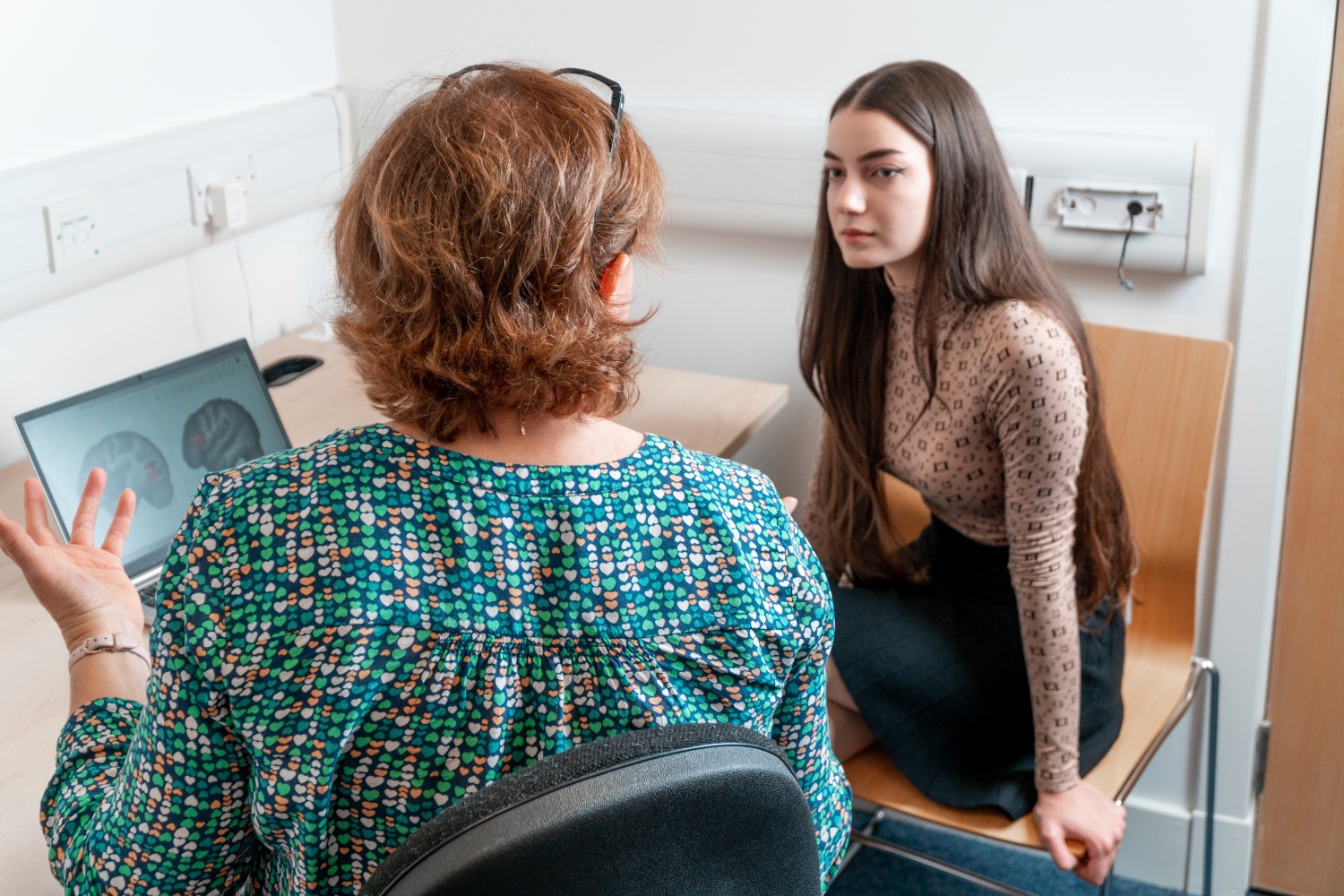
By choosing our MSc Research Methods in Psychology programme, you'll:
Prepare for Doctoral Studies: Lay a solid foundation for PhD research, with potential pathways to convert your MSc into the first year of a PhD programme.
Boost Your Career Prospects: Gain skills highly sought after in both academia and industry, from data science to market research.
Join a Vibrant Research Community: Become part of Abertay's dynamic research environment, collaborating with leading academics and fellow researchers.
Make Real-World Impact: Learn how to apply your research skills to solve real-world problems in psychology or creative industries.
Develop a Global Perspective: Engage with international research contexts and build a global network in your field.
Embark on a journey that will transform your understanding of research and open doors to exciting career opportunities.
Applicants should have:
Applicants will be asked to state their preferred research area and name potential supervisors on application; this will be reviewed by the admissions tutors to ensure suitable supervision can be provided.
We accept a wide range of qualifications from applicants around the world. Please select your country from the list below to view Postgraduate entry requirements. If your qualification is not listed, please contact admissions@abertay.ac.uk
Applicants who do not cover the appropriate subjects during their degree will be considered if they have relevant industry experience.
All courses at Abertay University are taught in English. If your first language is not English, you will need to demonstrate that you meet our English language requirements.
Please see English Language Requirements for the full list of accepted qualifications and further details.
For more information on the application process, tuition fees and scholarships, studying in Scotland, and to contact our International Team, please visit our International Students page.
Applicants will typically require a minimum Diplomë e Nivelit të Pare/Bachelor degree score of 7.5 in a subject related to their chosen course.
Applicants will typically require a minimum Specialist/Bachelor degree score of 70% or 3.0 in a subject related to their chosen course.
Applicants will typically require a minimum Bachelor degree / Fachhochschuldiplom / Diplom (FH) score of 3.0 (on the 5-point scale) in a subject related to their chosen course.
Applicants will typically require a minimum Bakalavr/Diplomu score of 70% in a subject related to their chosen course.
Bachelors Degree of 4 years or more with a minimum score of 60% or 2.6 GPA (on a four point scale). Degree must have been awarded from the following institutions (including affiliated colleges):
Or a Bachelor of Science in Egineering with a minimum score of 55% or 2.2 GPA (on a four point scale), awarded by Institution of Engineers, Bangladesh (IEB) or awarded 2012 onwards by a private university and accredited by IEB with independent research as part of the course.
Applicants will typically require a Specialist degree or Master's degree with a minimum score of 7 in a subject related to their chosen course.
Applicants will typically require a Licentiaat / Licencié with a minimum score of 12 or 60% in a subject related to their chosen course.
Applicants will typically require a minimum Licenciado/Título score of 65% in a subject related to their chosen course.
Applicants will typically require a Bachelor's degree (5-6 years) with a minimum score of 70%, or a Master's degree with a minimum score of 60%, in a subject related to their chosen course.
Applicants studying a Titulo de Licenciado, Titulo de Bacharel or Titulo de (subject area) will be required to pass with 6.0 (on a 10 point scale), in a related subject where required.
Applicants will typically require a Bachelor degree with a minimum score of 4.0 (out of 6) in a subject related to their chosen course.
Applicants will typically require a Master's degree with a minimum score of C+, 65% or 2.5 (on a 4-point scale) in a subject related to their chosen course.
Applicants wil typically require one of: a 4-year Bachelor Degree/Licence; Diplome d’Etudues Supérieures de Commerce; Diplôme d'Ingénieur; Maîtrise / Master sans thèse; with a minimum score of 11, or a GPA of 2.7 (on a 4-point scale) in a subject related to their chosen course.
Applicants will typically require a Bachelor degree/Baccalauréat with a minimum score of 2.5 (4-point scale), 62% or C+ average in a subject related to their chosen course.
Qualification: PG Diplome d’Etudes Approfondies / PG Diplome d’Etudes Superiures Specialisees / PG Matrise with Independent Research/Project
Applicants will typically be required to pass the PG Diplome d’Etudes with a minimum of 13 (on the 20 point scale) in a relevant subject.
20 Point Scale:
1st Classification: 17
2:1 Classification: 15
2:2 Classification: 13
Applicants who do not cover the appropriate subjects during their degree will be considered if they have relevant industry experience.
Applicants will typically be required to pass the Grado de Licenciado in the essential subject with a 5.5 GPA (7-point scale).
Applicants will typically require a Bachelor's degree with a minimum 70% in a subject related to their chosen course.
Applicants will typically require a Licenciado/Título/Maestro with a minimum GPA of 3.0 in a subject related to their chosen course.
Applicants will typically require a Baccalaureus / Baccalaurea or Diploma - Visoko obrazovanje (4-6 years) with a minimum GPA of 3.0 in a subject related to their chosen course.
Applicants will typically require a Título de Licenciado/ Arquitecto/ Doctor/Ingeniero/Máster with a minimum GPA of 3.5 in a subject related to their chosen course.
Applicants will typically require a Bachelor's degree with a minimum score of 6.0 in a subject related to their chosen course.
Applicants will typically require a Bakalář degree with a minimum score of 2.0 in a subject related to their chosen course.
Applicants will typically require a Bachelor degree / Candidatus Philosophiae / Professionsbachelor with a minimum score of 7 in a subject related to their chosen course.
Applicants will typically require a Título de Licenciado or Título with a minimum score of 70% in a subject related to their chosen course.
Applicants will typically require a Bachelor degree (from a university) with a minimum GPA of 65% in a subject related to their chosen course.
Applicants will typically require a Licenciado, Título or Título de Maestro/Maestria with a minimum score of 6.5 in a subject related to their chosen course.
Applicants will typically require a Bakalaurusekraad (Bachelor degree) or Rakenduskõrgharidusõppe Diplom (Professional Higher Education Diploma) with a minimum score of 3 in a subject related to their chosen course.
Applicants from an Ethiopian university will typically require a Master's degree with a minimum score of 2.75 in a subject related to their chosen course.
Applicants will typically require a Bachelor degree / Kandidaatti / Kandidat with a minimum score of 1 (4-point scale) or 2.5 (5-point scale) in a subject related to their chosen course.
Applicants will typically require a Diplôme d'Ingénieur / Licence / Grade de Licence / Licence Professionnelle / Grade de Licence Professionnelle with a minimum score of 12 in a subject related to their chosen course.
Applicants will typically require a Bachelor degree or Specialist degree with a minimum score of 70% in a subject related to their chosen course.
Applicants will typically require a Bachelor or Fachhochschuldiplom / Diplom (FH) with a score of 3.5 in a subject related to their chosen course.
Applicants will typically require a Bachelor degree with a minimum GPA of 2.5 (4-point scale), or 50% in a subject related to their chosen course.
Applicants will typically require a Ptychio (AEA or TEI) degree with a minimum GPA of 6.0 in a subject related to their chosen course.
Applicants will typically require a Graduate Diploma or Master’s degree with a minimum GPA of 3.0 (4-point scale) in a subject related to their chosen course.
Applicants will typically require a Bachelor Degree (Honours) with a minimum GPA of 2.6 or Lower Second Class (2:2) in a subject related to their chosen course.
Applicants will typically require a Alapfokozat (Bachelor degree) or Egyetemi Oklevél (University Diploma) with a minimum GPA of 3.0 in a subject related to their chosen course.
Applicants will typically require a Baccalaureus / Bakkalárpróf with a minimum GPA of 6.0 in a subject related to their chosen course.
Bachelor of Arts / Science / Commerce (with Independent Research)
Applicants will typically be required to complete a Bachelor of Arts / Science / Commerce with an average pass of 55-60% or 5.5-6.0 GPA (on the 10 point scale) if Independent Research is included.
Bachelor of Arts / Science / Commerce (NO Independent Research)
Applicants will typically be required to complete a Bachelor of Arts / Science / Commerce with an average pass of 65-70% or 6.5-6.9 GPA (on the 10 point scale) if Independent Research is NOT included.
Bachelor Degree in Professional Subject*
Applicants will typically be required to complete a Bachelor Degree in a Professional Subject with an average pass of 55-60% or 5.5-6.0 GPA (on the 10 point scale).
*Professional subjects include: Agriculture, Architecture, Business Administration, Business Management, Business Studies, Computer Applications, Engineering, Homoeopathic Medicine and Surgery, Law, Nursing, Pharmacy, Physiotherapy and Technology.
Applicants who do not cover the appropriate subjects during their degree will be considered if they have relevant industry experience.
Applicants will typically require a Bachelor Degree Sarjana I (S1) with a minimum GPA of 2.5 in a subject related to their chosen course.
Applicants will typically require a Bachelor Degree with a minimum score of 13 in a subject related to their chosen course.
Applicants will typically require a Master's degree with a minimum GPA of 65% in a subject related to their chosen course.
Applicants will typically require a Bachelor's degree with a 2.2 in a subject related to their chosen course.
Applicants will typically require a Diploma Accademico di Primo Livello, Diploma de Mediatore Linguistico, Laurea, or Licenza de Accademia de Belle Arti with a minimum score of 94 in a subject related to their chosen course.
Applicants will typically require a Bachelor degree with a minimum GPA of 55%, 2.0, or grade C in a subject related to their chosen course.
Applicants will typically require a Bachelor degree or Advanced Diploma with a minimum GPA of 60% or 2.2 (4-point scale) in a subject related to their chosen course.
Applicants will typically require a Bachelor degree with a minimum GPA of 65% or 2.5 (4-point scale) in a subject related to their chosen course.
Applicants will typically require a Bachelor degree/ Bakalavr or Specialist Diploma with a minimum GPA of 70%, 2.3 (4-point scale), or 3.6 (5-point scale) in a subject related to their chosen course.
Applicants will typically require a Bachelor degree with a minimum GPA percentage of 50% in a subject related to their chosen course.
Applicants will typically require a Bachelor degree with a minimum GPA of 2.6 in a subject related to their chosen course.
Applicants will typically require a Bachelor degree or Specialist Diploma with a minimum GPA of 3.6 (5-point scale) in a subject related to their chosen course.
Applicants will typically require a Bakalaura Diploms with a minimum score of 6 in a subject related to their chosen course.
Applicants will typically require a Bachelor degree/Licence with a minimum GPA of 2.8 (4-point scale), score of 12 (French 20-point scale), or 70% in a subject related to their chosen course.
Applicants will typically require a Bakalauro Diplomas with a minimum overall score of 7 in a subject related to their chosen course.
Applicants will typically require a Bachelor (Honours) degree with a minimum overall score of 14 in a subject related to their chosen course.
Applicants will typically be require a Master's degree with a minimum GPA of 2.4 (4-point scale), 4.5 (6-point scale) or 50% in a subject related to their chosen course. Applicants with a professional Bachelor's degree may be considered, though this must be in a related subject area.
Applicants will typically require a Bachelor degree with a minimum GPA of 2.5 in a subject related to their chosen course.
Applicants will typically require a Bachelor (Honours) degree with a minimum score of 55% (lower second classification) in a subject related to their chosen course.
Applicants studying a Titulo de Licenciado or Titulo Profesional de (subject area) will be required to pass with 7.0 (on a 10 point scale).
Applicants will typically require a Diploma de Licenta (Bachelor degree) or Diploma de Magistru (Master's degree) with a minimum score of 8.0 in a subject related to their chosen course.
Applicants will typically require a Grau de Licenciado/a with a minimum score of 14, or Grau de Maestre with a minimum score of 12 in a subject related to their chosen course.
Applicants will typically require a Bachelor Honours degree / Professional Bachelor degree (competed after 2009) or Master's degree with a minimum score of 60% or grade C in a subject related to their chosen course.
Applicants will require either:
Applicants with non-standard qualifications will be considered on an individual basis, determined by prior study, work experience, professional qualifications and references.
Applicants will typically require a Bachelor degree with a minimum grade of 6 in a subject related to their chosen course.
Applicants will typically require a Bachelor's degree with a minimum GPA of 2.5 or 50% in a subject related to their chosen course.
Applicants will typically require a Bachelorgrad (Bachelor degree) or a Candidatus/a Magisterii with a minimum overall grade C in a subject related to their chosen course.
Applicants will typically require a Bachelor's degree with a minimum GPA of 2.3 in a subject related to their chosen course.
Applicants will typically require a Bachelor's degree (4-5 years) with a minimum GPA of 3.2 or 70% in a subject related to their chosen course.
Applicants will typically require a Bachelor's degree with a minimum GPA of 2.0 or 70% in a subject related to their chosen course.
Applicants will typically require a Grado Académico de Bachiller or Título de Licenciado / Título (Profesional) with a minimum score of 12 in a subject related to their chosen course.
Applicants will typically require a Bachelor's degree from a well-ranked university with a minimum GPA of 2.0 (5-point scale), 2.5 (4-point scale), or 82% in a subject related to their chosen course.
Applicants will typically require a Licencjat / Inżynier with a minimum score of 4 in a subject related to their chosen course.
Applicants will typically require a Licenciado with a minimum score of 14 in a subject related to their chosen course.
Applicants will typically require a Bachelor's degree with a minimum GPA of 2.7 in a subject related to their chosen course.
Applicants will typically require a Diplomă de Licenţă (Bachelor degree) with a minimum score of 7 in a subject related to their chosen course.
Applicants will typically require a Bachelor degree (Honours) with a minimum score of 12/20 or 60% in a subject related to their chosen course.
Applicants will typically require a Bachelor's degree with a minimum GPA of 2.75 (4-point scale), 3.25 (5-point scale), or 73% in a subject related to their chosen course.
Applicants will typically require a Diplomirani (Bachelor's degree) with a minimum GPA of 7 in a subject related to their chosen course.
Applicants will typically require a Bachelor (Honours) degree with a minimum GPA of 2.7 (4-point scale) or 3.5 (5-point scale) in a subject related to their chosen course.
Applicants will typically require a Bakalár (Bachelor's degree) with a minimum GPA of 2.0 (4-point scale) or 72% in a subject related to their chosen course.
Applicants will typically require a Diploma o pridobljeni univerzitetni izobrazbi (University Degree) with a minimum GPA of 7.0 in a subject related to their chosen course.
Applicants will typically require a Bachelor (Honours) degree or Professional Bachelor degree with a minimum score of 60% in a subject related to their chosen course.
Applicants will typically require a Título Universitario Oficial de Graduado / Título Universitario Oficial de Licenciado with a minimum GPA of 6.0 (10-point scale) in a subject related to their chosen course.
Applicants will typically require a Bachelor's degree (Special or Honours) at 2:1 classification or 3.3 GPA minimum in a related field.
Applicants will also be required to have undertaken Independent Research.
Applicants with non-standard qualifications will be considered on an individual basis, determined by prior study, work experience, professional qualifications, and references.
Applicants will typically require a Bachelor (Honours) degree with a minimum score of 60% in a subject related to their chosen course.
Applicants will typically require a good Bachelor's degree / Kandidatexamen / Yrkesexamen with a majority of credits at G in a subject related to their chosen course.
Applicants will typically require a Diploma/Bachelor's degree with a minimum GPA of 4.0 (6-point scale), 6.0 (10-point scale), or 3.0 (reverse 5-point scale) in a subject related to their chosen course.
Applicants will typically require a Bachelor's degree with a minimum GPA of 60-70% in a subject related to their chosen course.
Applicants will typically require a Specialist Diploma or Master's degree with a minimum GPA of 3.8 in a subject related to their chosen course.
Applicants will typically require a Bachelor's degree with a minimum GPA of 50% in a subject related to their chosen course.
Applicants will typically require a Bachelor's degree with a minimum GPA of 2.6 in a subject related to their chosen course.
Applicants will typically require a Bachelor's degree with a minimum GPA of 2.5 (4-point scale) or 65% in a subject related to their chosen course.
Applicants will typically require a Yokary bilim Hakynda Sahadatnama (Diploma of HE) with a minimum GPA of 4.0 (5-point scale) in a subject related to their chosen course.
Applicants will typically require a Bachelor's degree with a minimum GPA of 3.0 in a subject related to their chosen course.
Applicants will typically require a Specialist degree or Master's degree with a minimum GPA of 2.5 (4-point scale) or 4.0 (5-point scale) in a subject related to their chosen course.
Applicants will typically require a Bachelor's degree with a minimum GPA of 2.6 in a subject related to their chosen course.
Applicants will typically require a Bachelor's degree with a minimum GPA of 2.7 in a subject related to their chosen course.
Applicants will typically require a Diplomi (Specialist Diploma) with a minimum GPA of 70% in a subject related to their chosen course.
Applicants will typically require a Master's degree with a minimum GPA of 56%, or grade C+ in a subject related to their chosen course.
Applicants will typically require a Bachelor Honours degree with a minimum GPA of 60% in a subject related to their chosen course.
Students whose MSc is funded by SGSSS (i.e., as part of a 1+3 PhD programme) will complete the SGSSS Core Methods module instead of PSY511.
SGSSS-funded students who are on a Creative Industries pathway will also complete module PSY567: Human Psychology: Why are we different? instead of PSY513.
Module descriptors for both routes can be viewed below.
Explore the common questions asked about the programme.
Research methods are the essential tools and techniques used to investigate human behaviour and the mind. Specifically, research methods in Psychology are systematic, scientific techniques that use case studies, observations and surveys to understand human behaviour and thoughts. At Abertay, you will explore:
Core principles of psychology research design.
Advanced qualitative and quantitative data analysis.
Ethical research conduct and open science practices.
Specialist techniques tailored to specific psychological fields, such as social cognition or forensic psychology.
This programme provides advanced training in research methodologies and data analysis. You will engage in:
A blend of core psychology research skills and specialist knowledge.
Individualised training in practical and technical research techniques.
Modules that include Core Data Analysis, Professional Research Skills, and a Research Dissertation.
Opportunities for work-based learning and research lab experience.
This mix of core research skills and specialist knowledge will help set you up for success.
If you’re looking for a career in academia, research or evidence-based psychological practice, this degree is a good starting point.
It equips you with high-demand skills in research design, data science and analytics.
It also provides a solid foundation for doctoral studies and develops transferable skills in communication, project management and critical thinking. This opens up a wide variety of career choices once you’ve completed your degree.
The duration of the course will depend on your chosen mode of study. If you opt for full-time, it will take one year to complete. However, if you opt for part-time, it will take 24 months to complete.
This flexibility allows you to balance your studies with other professional or personal commitments.
As this degree builds a solid foundation of research methodologies, data analysis and practical research design, it opens up a wide variety of career opportunities, including but not limited to:
Academic researcher or lecturer
Data scientist or analyst
Market researcher
For a successful application to this programme, you typically need:
A 2:1 undergraduate degree or better in Psychology or a related subject (e.g., social science, neuroscience, or statistics).
A clear desire to develop skills in a specific area of psychological research.
A named potential supervisor and preferred research area identified in your application.
Yes, we offer flexible learning options to suit your schedule and needs. You can study this degree part-time over two years, or full-time over one year.
We also offer a blend of in-person and online learning to help you manage your studies alongside your responsibilities.
During this degree, you will need to do an MSc Dissertation. We offer a wide variety of dissertations from various expert-led research areas, such as:
Social cognition, development, and education.
Investigative interviewing and forensic psychology.
Language learning, evolution, and AI voice perception.
Human-technology interaction and user experience.
Evolutionary social psychology and personal relationships.
We are a well-established institution with modern facilities. During your MSc, you will have access to facilities like:
The Graduate School - A dedicated facility located at the heart of the University that provides support and training to our postgrad students.
Access to research labs for hands-on work experience.
Industry-leading tools through Abertay’s status as Scotland’s first Adobe Creative Campus.
Software for advanced analytical techniques.
Yes, this degree is specifically designed to lay a solid foundation for doctoral research and may potentially provide a pathway to transfer directly into the second year of a PhD at Abertay University.
When applying to Abertay, you must select a research supervisor who you think best suits your own research proposal. Our team are experts in many fields of psychology. Introduce yourself to their research areas below.
I supervise research on social cognitive processing, especially stereotyping and self-processing biases. I also supervise projects on how these processes develop in childhood and adolescence, and how they can be applied in education (e.g., supporting learning, or biasing academic subject choices)

I supervise research on factors that impact the reliability of eyewitness testimony and the outcomes of investigative interviews. I am particularly interested in how we can support vulnerable people within the criminal justice system.

I supervise research on how the body influences the mind, with a particular interest in embodied cognition, empathy, social connectedness, lived experience, learning and healthy brain ageing. I also supervise projects on care, dementia and Parkinson's disease as well as meta-science (research on research practices in psychology) and interdisciplinary art-based research.

I supervise projects that look at how language input influences learning and how this in turn may have shaped the evolution of languages. I am interested in work with learning agents like children, adults, large language models (LLMs) or robots.

I supervise projects that relate to the experiences of speaking MIND (Minority, Indigenous, Non-standard and Dialect) varieties, how often these varieties are processed, whether they can be replicated by AI voices and how listeners perceive both natural and synthetic speech. This extends to better understanding AI voices as disinformation and fraud risks, and finding ways to better protect the public from these emerging threats.

My research has centred on visual perception and camouflage, and I have also supervised research that bridges psychology and technology. Recent studies have focused on:
User-experience and psychology
Emotionally sensitive agents
VR-RT (Virtual Reality enhanced Reminiscence Therapy)
Virtual Reality
Adapting video games for visually impaired players
Artificial Intelligence

I supervise research projects that explore the cognitive processes underlying learning in children and adults, with a focus on maths and language. This includes investigating how attention, memory, and problem-solving skills contribute to learning and how insights from cognitive research can be applied to improve mathematics instruction.

My research is focused on face recognition, including face identification, face learning and face perception. I am also interested in the use of facial recognition technology in security settings and AI face detection and recognition.
My primary research focus is neurodivergent (autism, ADHD, auDHD) experiences, culture, identity, and relationships. I primarily supervise qualitative projects which seek to elevate neurodivergent people's voices. I am also interested in research around making teaching and learning in higher education more inclusive for neurodivergent people.

I welcome students with an interest in visual perception, evolution, and how psychology can help us understand survival strategies in the natural world. I am particularly interested in projects that examine the interplay between the ecology of animals, their perceptual capabilities, and the surface patterns they exhibit.
I supervise research on the underlying processes, mechanisms and architectures involved in language production and comprehension. I also supervise pedagogical research within the higher education setting.
My research focuses on social perceptions based on physical characteristics, and factors involved in romantic/social attraction and pair bonding, drawing on perspectives from evolutionary biology and anthropology as well as behavioural ecology and cognitive/social psychology. Research in this area sheds light on how we respond to potential dating partners, rivals, friends, and allies/associates - which may impact important social outcomes over the lifespan.

I supervise research that focuses on applied cultural evolution, predominantly with children and young people. This broad topic includes investigating social learning biases (who do we copy, when, and why?), children and adolescent's gender stereotyping and related gender concepts, and young people's epistemic vigilance (who they believe and why) particularly in polarising contexts.

I supervise research on investigative psychology, with a specific interest in major crime investigation relating to missing person investigation and search. I also supervise projects on wider topics relating to forensic psychology (e.g., eyewitness memory; prison officer decision making; mental health and crime) and am passionate about translating research to practice.

I supervise research on individual differences, and have a specific interest in laterality/handedness. I am also interested in pedagogical research, particularly related to higher education, and supervise research projects examining many aspects of student engagement and student experience (e.g., shy students' experiences; creative workshops; wellbeing and belonging).

Abertay is the first institution in Scotland to be an Adobe Creative Campus. Through our partnership, all Abertay students have access to Adobe Express, empowering them to enhance their digital skills with industry-leading tools.
The Adobe Creative Campus programme is dedicated to empowering staff and students across all disciplines with essential digital skills for success in both the workplace and the classroom. The initiative involves a select group of colleges and universities.

Learn more about Abertay's English language requirements, as well as visa information.

Explore English language requirements for entry to Abertay University.

How to apply for a UK Student Visa to study at Abertay University: who needs one, the money you need, documents, when to apply and what happens next.

Find everything you need to know about applying to Abertay as an international student.
Please note: this course will run over 16 months full-time and 28 months part-time if you begin your studies in January.
Postgraduate study is a significant investment, so it’s important to understand the full picture.
The tuition fees you’ll pay and the funding available depend on factors such as your nationality, location, personal circumstances and the course you’re studying. If you’re studying a postgraduate taught (PGT) degree, your fee status will be classed as one of the following:
Scotland
England, Wales, Northern Ireland, and the Republic of Ireland
International
Your fee status is typically based on the country where you’ve lived on a regular, non-temporary basis for the three years prior to the start of your course.
We’ll confirm your tuition fees once you’ve applied.
International includes applicants from EU countries who do not hold Pre-Settled or Settled Status in the UK. (Students from the Republic of Ireland are not included.)
|
Fee Status |
2026/27 |
2027/28 |
|
£7,900 |
£8,300 |
|
|
£10,400 |
£10,400 |
|
|
£18,950 |
£18,950* |
*Eligible international students will automatically receive a scholarship worth between £3,000-£7,000 over the duration of their course.
Find out about grants, bursaries, maintenance loans and living costs in our postgraduate taught fees and funding section.
The scholarships below are open to international students and those applying from England, Wales and Northern Ireland with a 2.1 or above for a postgraduate course.
This £1,000 award is open to all prospective new postgraduate students from England, Wales and Northern Ireland.
An award of up to £3,000 per year for up to a maximum of four years, for prospective new international undergraduate and postgraduate taught students.
Our Graduate School is a dedicated facility located at the heart of the University, providing support, training and professional development opportunities to our vibrant postgraduate community and researchers.

When you join us as a postgraduate student or researcher, you’ll join a community of creative like-minded scholars. You will be working in our dedicated study and social spaces – a forum in which you can meet, work and learn with other researchers and postgraduates from across the University.
You’ll benefit from training and professional development opportunities, as well as support with funding applications, placement opportunities, teaching support, public engagement and outreach activity.

Abertay is conveniently located on a city centre campus, with all of its buildings within a quarter of a mile of each other. Shops, recreational facilities and the main bus and train stations are a short walk away.

We're proud of our students and graduates, and we believe there's no better place to study if you're looking for a degree that helps you stand out as an exceptional candidate in an increasingly competitive job market.

Dundee is a city of contrasts. It's vibrant and cosmopolitan, but also friendly, compact and affordable. The first UK city to be awarded UNESCO City of Design status, Dundee has a rich history of innovation and creativity, and, in recent years, has become a hub for the digital industries.


